- Telephone
- Email
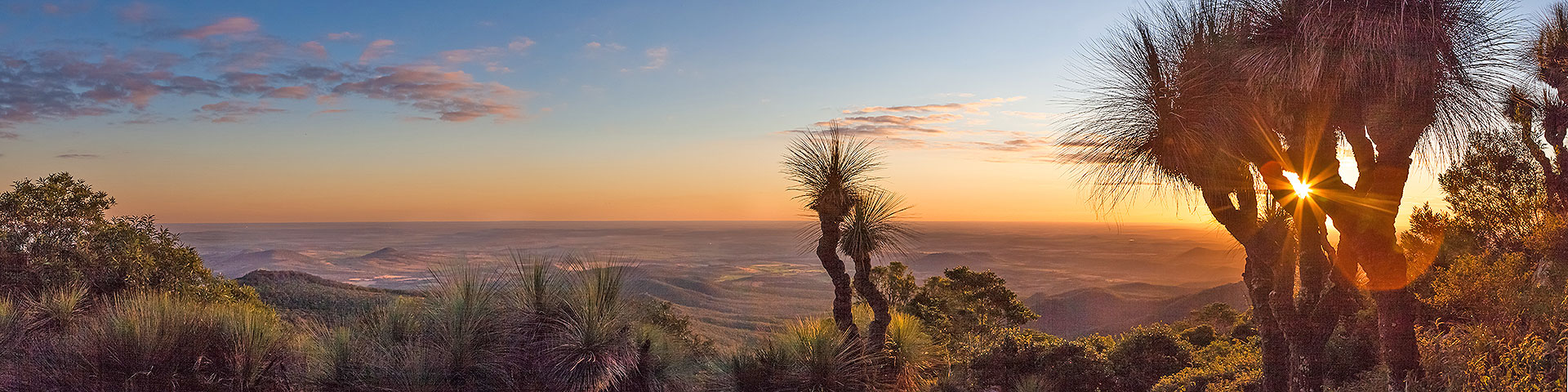
Explore the Wonders of the Bunya Mountains. This is a unique part of Australia’s wilderness heritage and one of the few national parks you can drive through. The mountains formed in the Jurassic era when dinosaurs roamed the earth and are located 3,500 feet, about 1,100 metres, above sea level.
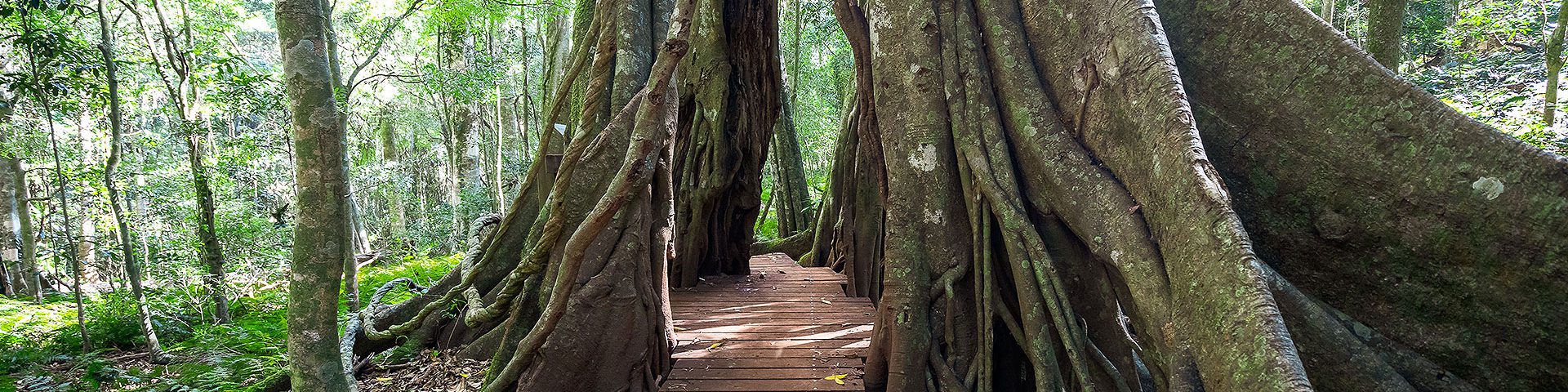
The Bunyas have a cool sub-alpine climate year round. Combined with rich volcanic soils, this has resulted in the world’s most magnificent stands of two ancient conifers: Bunya Pines and Hoop Pines. These giant trees tower up to 60 metres throughout the area and are one of the key reasons the mountains were gazetted as Queensland’s second national park in 1908.
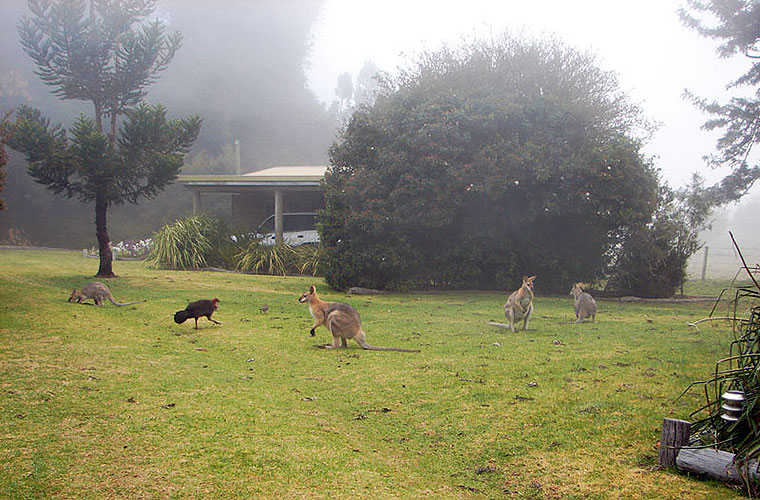
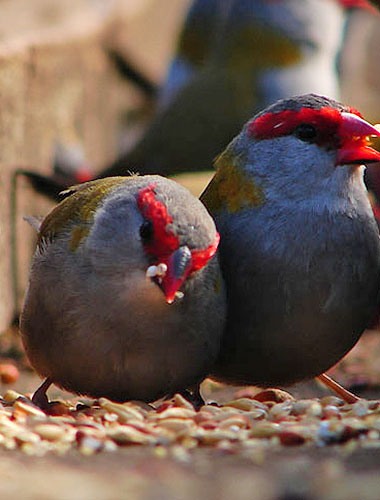
In addition, the park’s unique environmental ecosystem provides a refuge for a large number of native bird and animal species which are a delight to one and all. It’s possible to see flocks of native birds, parrots, brushtail possums, rednecked wallabies, swamp wallabies and pademelons close at hand.
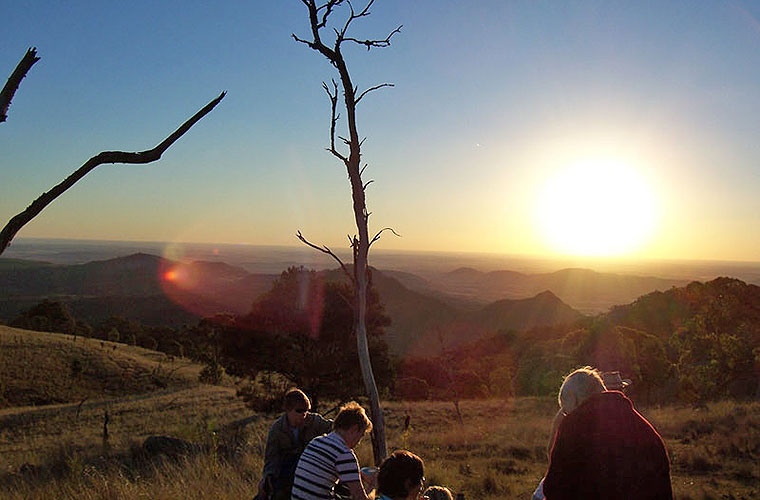
The park also has a large number of well-marked walking trails which cover the many aspects of the mountains – anything from deep rainforest walks by sparkling waterfalls through to lookouts on the pinnacles that provide magnificent views over the surrounding countryside.

Year round temperatures are generally 5 to 10 degrees celsius below sea level and average temperatures on the mountain ranges between freezing and about 30 degrees celsius. Early mornings and evenings can also be quite cold, so it’s always advisable to pack a jacket or jumper no matter what time of the year you visit.
Bunya Mountain Guides. The Queensland Department of National Parks, Sports and Racing and the Queensland Parks and Wildlife Service tend to the day to day operations of the Bunya Mountains National Park. They have useful publications and maps available about the Bunya Mountains of interest to anyone who hasn’t visited the park before. Please note: there is no fuel outlet on the mountain. The nearest ones are at Maidenwell, Kumbia or Bell, so it’s wise to fill your tank at any of these places before you come up the mountain.
© Rice's Log Cabins 2026